
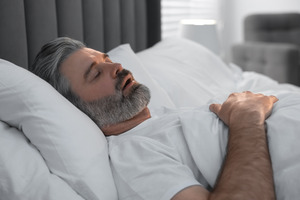
Sleep apnea is all too common, and research indicates that it is only becoming more widespread. In fact, one recent study estimates that almost 77 million adults in the United States will be affected by the disorder by 2050. Why have sleep apnea rates gone up in recent years? Here are the facts you need to know if you want to protect yourself from sleep-disordered breathing.
What Happens If You Have Sleep Apnea?
When you have sleep apnea, your breathing repeatedly stops and restarts while you’re asleep. These pauses can last for over 10 seconds, and in severe cases, they can occur more than 30 times in a single hour. Sleep apnea episodes can disrupt the sleep cycle and significantly hinder your ability to get a good night’s rest; they can also put strain on the cardiovascular system and increase your risk for heart problems.
Why is Sleep Apnea Becoming More Widely Diagnosed?
The rise of sleep apnea may be partially linked to increased obesity rates. Being overweight is a serious risk factor for sleep-disordered breathing. Excessive fat deposits in the neck and throat can end up narrowing your upper airway, making it more likely to become blocked while you’re asleep. The result is obstructive sleep apnea, which is the most common form of sleep apnea.
Furthermore, sleep apnea rates may be going up due to more widespread awareness. As more people learn about sleep apnea, they become more likely to recognize the warning signs, thus encouraging them to see a sleep expert for a proper diagnosis.
One last factor to keep in mind is that the global population is aging due to people having longer lifespans on average. This is significant because older individuals tend to be more likely to develop sleep apnea. As you get older, the muscles in your throat lose their tone, leading to soft tissue collapse that can partially or completely block your airway.
What Should You Do About Sleep Apnea?
As soon as you notice any symptoms that might point toward sleep apnea (such as loud snoring or excessive sleepiness during the day), you should have a sleep study performed. An expert can review the results of the study to determine whether you’re experiencing sleep-disordered breathing; if you are, you can start exploring your options for getting it under control.
The best option for treating sleep apnea depends on the underlying cause and severity of the disorder. For example, if you have a mild to moderate case of obstructive sleep apnea, you might benefit from oral appliance treatment. All you need to do is wear a customized oral appliance to bed every night. The device will reposition your lower jaw in order to keep your lower airway open, thus improving your breathing while you’re asleep.
With sleep apnea on the rise, it’s more important than ever to keep an eye out for the warning signs of sleep-disordered breathing so that you can promptly seek the care you need to enjoy more restful nights again.
About the Author
Dr. Sara Vizcarra is a dentist in Scottsdale who focuses on treating snoring, sleep apnea, and TMJ disorder. She went to the University of Missouri School of Dentistry in Kansas City, and she has been named a Diplomate of the American Board of Craniofacial Dental Sleep Medicine. At AZ Sleep & TMJ Solutions, she offers fully personalized oral appliances as an alternative to bulky, noisy CPAP machines. If you suspect that you have sleep apnea, you can schedule an appointment with Dr. Vizcarra by visiting her website or calling (480) 515-6209.