
Most people sleep best when the temperature is slightly on the cool side. But that kind of environment can be tough to achieve during hot summer nights, especially if you are reluctant to blast your air conditioning. What else can you do to cool down and get higher-quality rest? Here are some tips that might help:
Create Airflow in Your Room
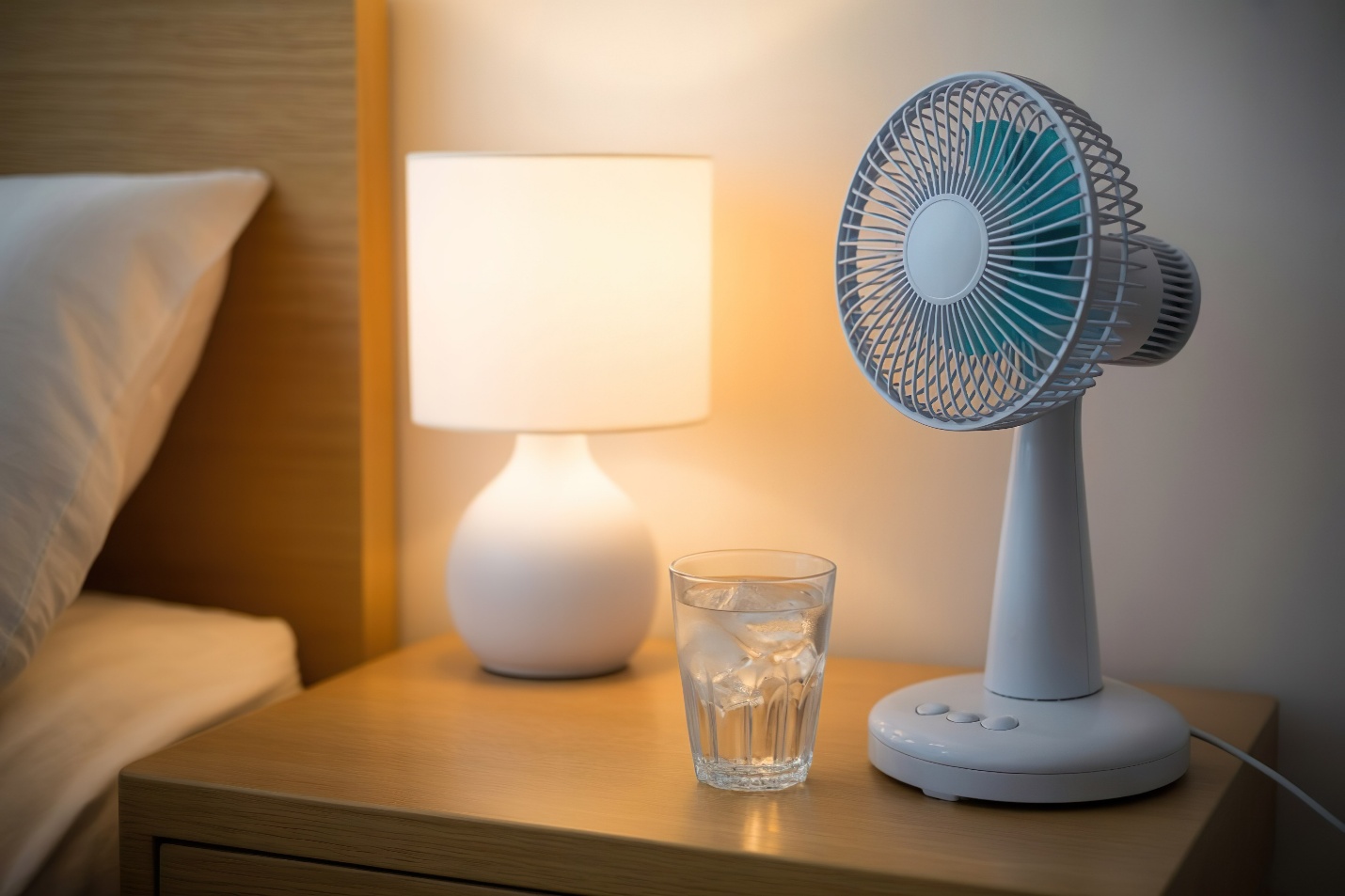
Moving air can help sweat evaporate and make your room feel cooler without a major thermostat change. Place a fan across from an open window if the air outside is cooler, or aim a fan toward a bowl of ice for a quick cooling effect. During the day, close blinds or curtains to block heat, then open windows at night if the temperature drops. You can also keep doors open to support cross-breeze flow through your home.
Choose the Right Bedding
Your bedding can trap heat close to your body, so choose materials that allow air to pass through. Lightweight cotton, linen, bamboo-derived fabric, or moisture-wicking sheets may help you feel less sticky on warm nights. Replace heavy comforters with a thin blanket, and keep extra layers nearby instead of starting the night under too much weight. If your mattress or pillow retains heat, a cooling cover or breathable protector may make a noticeable difference.
Take a Cool or Lukewarm Shower Before Bed
A cool or lukewarm shower can help you feel fresh before you climb into bed. Avoid very cold water if it makes you feel alert, since that jolt may make sleep harder at first. A gentle rinse can remove sweat, lower skin temperature, and help your body settle into a calmer bedtime rhythm. After your shower, wear loose, breathable sleepwear so heat does not build up again.
Put Ice Packs on Your Pulse Points
For fast relief, place a wrapped ice pack or cool cloth on pulse points such as your wrists, neck, temples, or behind your knees. These areas sit close to blood vessels, so a short cooling session may help you feel more comfortable. Never place ice directly on your skin, and remove the pack after several minutes to avoid irritation and potential skin damage. Keep a cool cloth near your bed if heat tends to wake you up during the night.
Talk to Your Doctor if You Have Ongoing Sleep Problems
Better sleep habits can make a real difference, but they do not solve every problem. If you still wake up tired, snore loudly, gasp for air, or feel sleepy during the day, you may have a sleep disorder, such as sleep apnea, that needs professional care. Some people need a sleep evaluation before they can find lasting relief. Your doctor can review your symptoms, discuss possible causes, and help you decide whether testing or treatment makes sense.
Hot nights do not have to leave you restless until morning. With a cooler room, smarter bedding, and medical support when needed, you can give your body a better chance to rest well and wake up refreshed during every season.
Meet the Practice
Dr. Sara Vizcarra is a highly accomplished dentist and a Diplomate of the American Academy of Dental Sleep Medicine. Under her leadership, our team helps people achieve higher-quality rest through sleep apnea treatment. If you believe a sleep disorder is responsible for your snoring and ongoing fatigue, we would be pleased to advise you on your next steps. Contact our office in Scottsdale at 480-515-6209.